Aerospace Systems Engineering

Become an aerospace systems professional capable of solving the challenges of commercial aviation, defense, and space exploration. Create, design, integrate, and operate the technologies that will propel us into the future.

Why study Aerospace Systems Engineering?

6% - 8%

Projected growth in demand for aerospace engineers by the mid-2030s, driven by the development of autonomous systems, space exploration, and the defense sector.

Source: U.S. Bureau of Labor Statistics.

$134,830 USD

Average salary of an aerospace systems engineer in the United States—well above the average for engineering professions in general.

Source: U.S. Bureau of Labor Statistics.

71,600

Positions held by aerospace engineers in the United States, within an industry that brings together approximately 250,000 professionals worldwide.

Source: U.S. Bureau of Labor Statistics and NewEngineer.com

What does an Aerospace Systems Engineer do?

If you’re interested in understanding how aircraft fly, how the systems that keep them operational are designed, or how technology can take us further and further, Aerospace Systems Engineering can turn that curiosity into a career with global reach.

The growth of space exploration, autonomous systems, and new manufacturing technologies has expanded opportunities for professionals capable of developing solutions for a constantly evolving industry.

As an aerospace systems engineer, you will be able to participate in the design, development, and validation of aircraft, satellites, rockets, drones, and other air and space systems.

Your work may also involve integrating complex technologies such as avionics, propulsion, structures, aerodynamics, and flight control software, ensuring that each component works in coordination to achieve the same goal: creating more efficient, reliable, and safe systems.

And the opportunities aren’t just outside the country. Mexico has established itself as the 4th largest player in the international aerospace industry, with more than 60,000 specialized jobs and new opportunities for those seeking to advance their careers in this sector.

In addition to creating and innovating, you will have a fundamental responsibility: contributing to the safety of every operation. Aerospace engineers participate in the evaluation of airworthiness, reliability, performance, and compliance with international regulations—essential elements for both commercial and private aviation, as well as for future space exploration missions.

At Arkansas State University Campus Querétaro, you will find the tools and preparation to develop the skills this industry demands and build a career with possibilities in Mexico and the United States.

Turn your passion for technology and aeronautics into the next chapter of your story. Apply now and start preparing to design the systems that will make the future possible.

Live the University

Double Degree

Valid in México and the United States

Classes 100% in English

With a multicultural team of teachers

American University Model

The first US university in México

Request Information

Get Started

Register Now for More Information Your path to a brighter future starts here

form-esp.php v6.36 · sitio=astate · pagina=ofertaacademica · extendido

Our Student Testimonials

Job Market Where does an Aerospace Systems Engineer work?

Aeronautical professionals work in various segments of the industry.

Aspire, Dream, Achieve Great figures in aerospace engineering

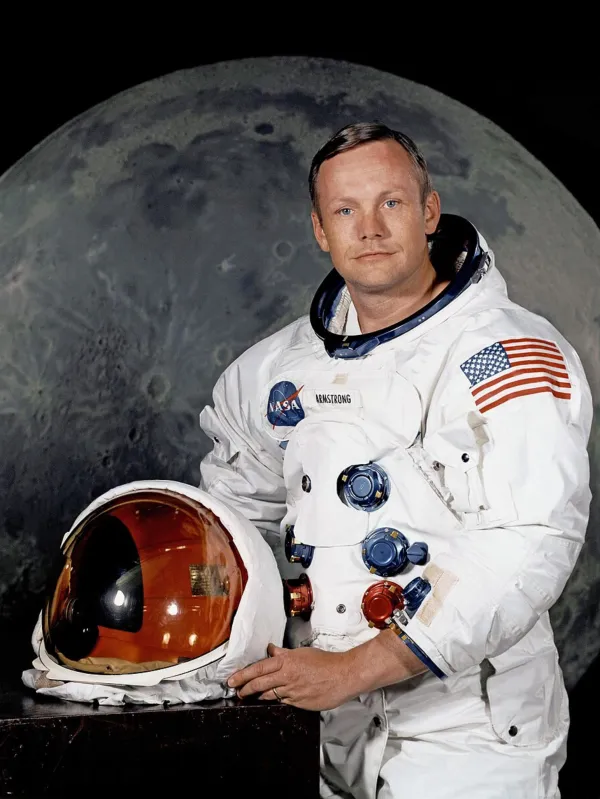
Neil Armstrong

Neil Armstrong

First man to step on the Moon He completed the first docking of two spacecraft in Earth orbit and subsequently became the first person to touch the surface of the moon.
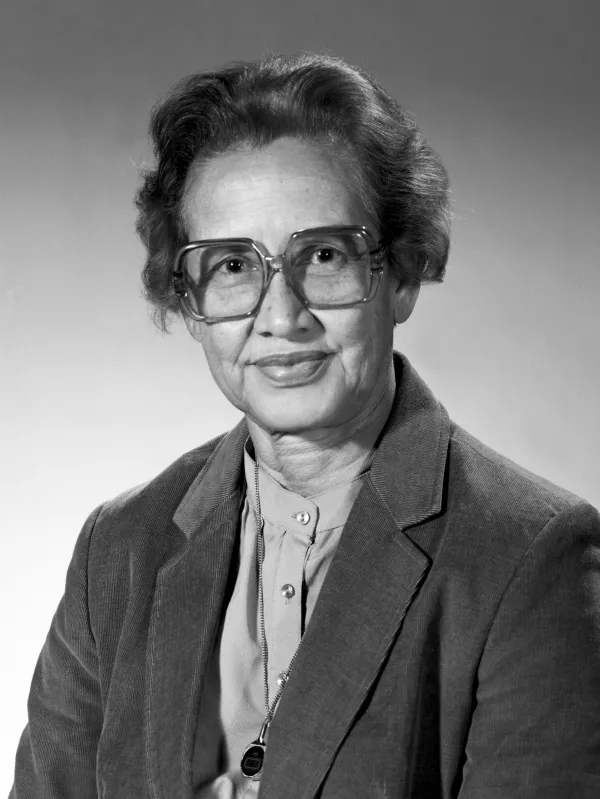
Dr. Katherine Johnson

Dr. Katherine Johnson

Pioneer mathematician in orbital mechanics Tasked with calculating the flight trajectory of the United States’ first space mission, Johnson was known as “the human computer.”
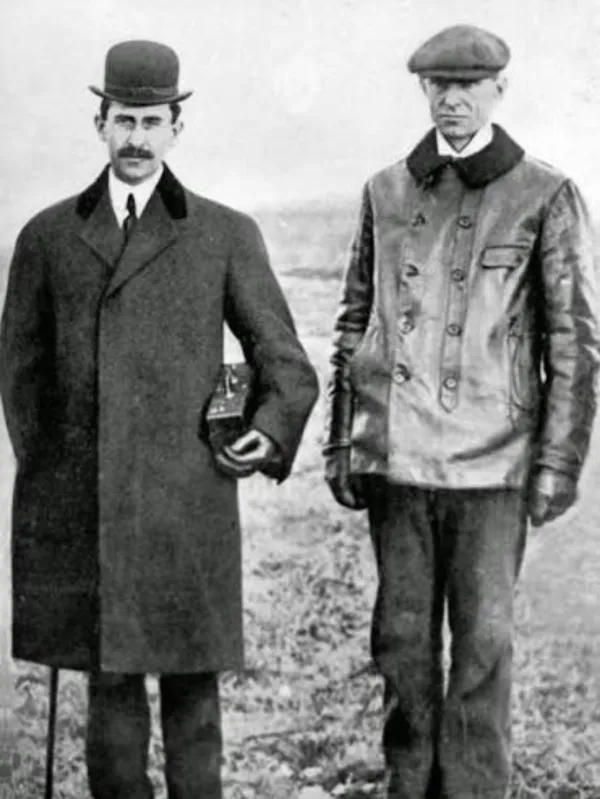
Los Hermanos Wright

The Wright Brothers

Creators of the first airplane in history Orville and Wilbur Wright created the first powered aircraft. In their initial series of tests, they managed to fly for 59 uninterrupted seconds.
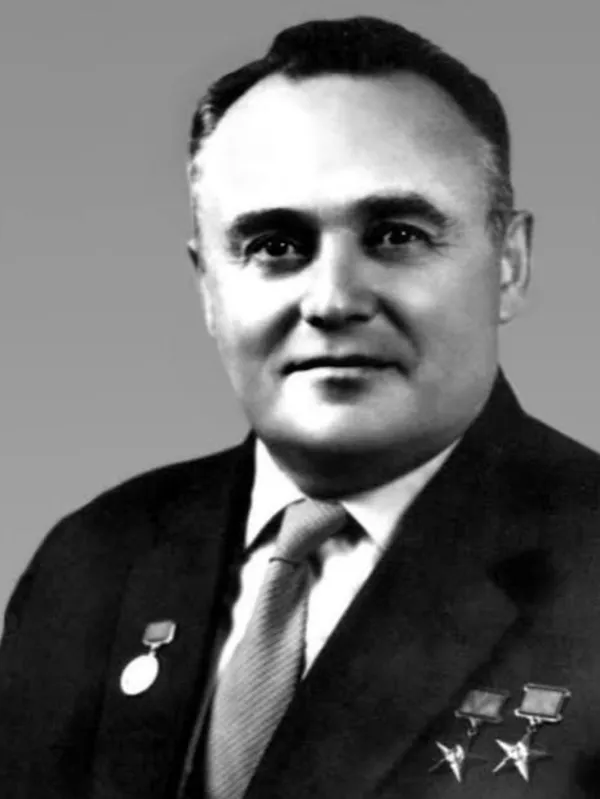
Sergei Korolev

Sergei Korolev

Leader of the Sputnik missions Responsible for the creation of the first intercontinental missile, the first manned space flight, and the first artificial satellite.

Graduate Profile

Upon completion of the Aerospace Systems Engineering degree, graduates from Arkansas State University Campus Querétaro will demonstrate knowledge in:

  • Multidisciplinary technical leadership: Ability to lead complex systems projects from concept to certification and flight.
  • Advanced computational modeling: Proficiency in simulations (CAD/CAE/CFD) and structural and aerodynamic validation tests.
  • International regulatory criteria: Decision-making based on aeronautical and space standards (FAA, EASA, NASA, AFAC).
  • Strategic industrial vision: Ethical and innovative mindset to lead in the global aerospace value chain.

Study Plan

General Education

  • University writing in Spanish I
  • University writing in Spanish II
  • Oral Communication
  • Calculus I
  • Calculus II
  • Calculus III
  • General Chemistry I
  • General Chemistry I Laboratory
  • University Physics I
  • Fine Arts Options
  • Humanities Options
  • Social Sciences Options

Engineering Core

  • Concepts of Engineering
  • Software Application for Engineers
  • Applied Engineering Statistics
  • Statics
  • Engineering Economics
  • Senior Seminar
  • Numerical Methods for Engineering
  • Senior Design I
  • Senior Design II

Additional Support Courses

  • Differential Equations
  • University Physics II

Upper-level Engineering Electives

  • Low Temperature Plasma
  • Fracture Mechanics for Aerospace
  • Airworthiness & Reliability
  • Advanced Material for Aerospace
  • Introduction to Satellites
  • Introduction to UAV

Major Requirements

  • Mechanics of Materials
  • Mechanics of Materials Laboratory
  • Avionics I
  • Avionics I Laboratory
  • Solid Modeling for Mechanical Engineers
  • Dynamics
  • Aerospace Dynamics Laboratory
  • Avionics II
  • Avionics II Laboratory
  • Engineering Thermodynamics
  • Fluid Mechanics
  • Fluid Mechanics Laboratory
  • Aerospace Material Sciences
  • Machine Design
  • Propulsion Systems
  • Aerospace System Design
  • Introduction to Manufacturing Process
  • Manufacturing Process Laboratory
  • Aerospace Structures & Instrumentation
  • Aerospace Structures & Instrumentation Laboratory
  • Aerospace Systems Manufacturing
  • Orbital Mechanics
  • Elective I
  • Elective II
  • Elective III
  • Elective IV
Arkansas State University Querétaro
Thank You for Registering!

You will be hearing from us very soon!