Organizational Leadership
Why study Organizational Leadership?
2.33%
Growth rate in the business graduate workforce from 2022 to 2023.
Data USA
11.9
Million professionals held leadership roles in 2022.
Data USA
$109.808
Average annual salary for organizational leaders.
Data USA
What Does an Organizational Leader Do?
Graduates of the Bachelor of Science in Organizational Leadership possess a strong understanding of how to lead teams and manage organizations strategically, effectively, and ethically. They are trained to design efficient organizational structures, lead change processes, and foster collaborative workplace cultures.
Their mission is to drive the growth of both people and organizations by creating environments where ethical leadership and innovation generate real impact.
At Arkansas State University Queretaro, students are prepared to become leaders who inspire, transform, and guide teams in any type of organization. Through a comprehensive education in management, organizational behavior, and strategic communication, they develop the skills necessary to lead with global vision and social responsibility.
Graduates earn a degree valid in both Mexico and the USA, opening professional opportunities in national and international contexts.
Live the University
Double Degree
Valid in México and the United States
Classes 100% in English
With a multicultural team of teachers
American University Model
The first US university in México
Acredited


Request Information
Our Student Testimonials


Labor Field Where do Organizational Leaders Work?
- National and international companies in human management or leadership areas
- Organizational development and change management consultancies
- Educational institutions and nonprofit organizations
- Middle- and senior-level management positions
Aspire, Dream, Realize Some great organizational leaders of the 21st century


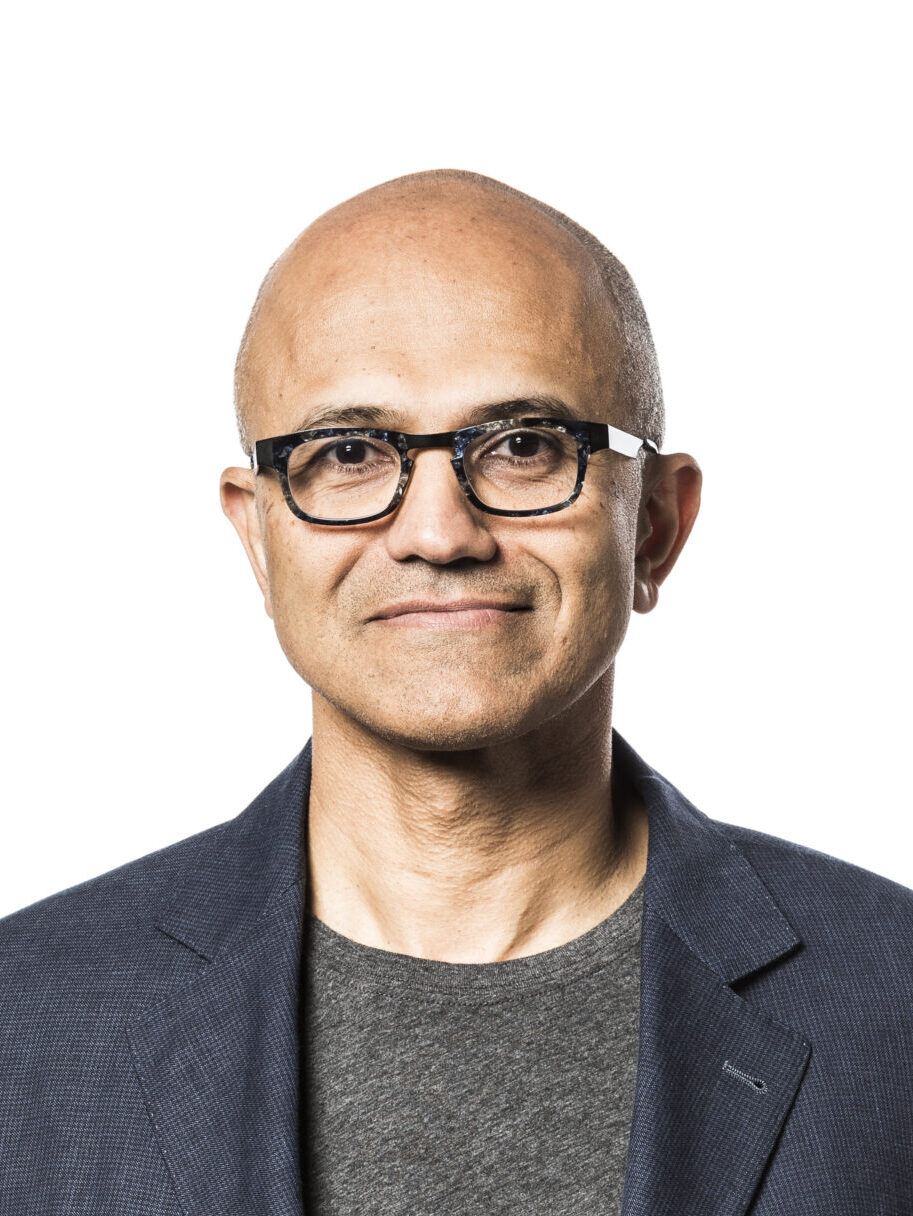
Satya Nadella
CEO of Microsoft
He transformed Microsoft’s organizational culture through a focus on empathy, innovation, and a growth mindset—driving collaboration and global digital transformation.


Tim Cook
CEO of Apple
He has strengthened Apple’s legacy by combining operational efficiency, social responsibility, and ethical leadership, while prioritizing sustainability and organizational well-being.
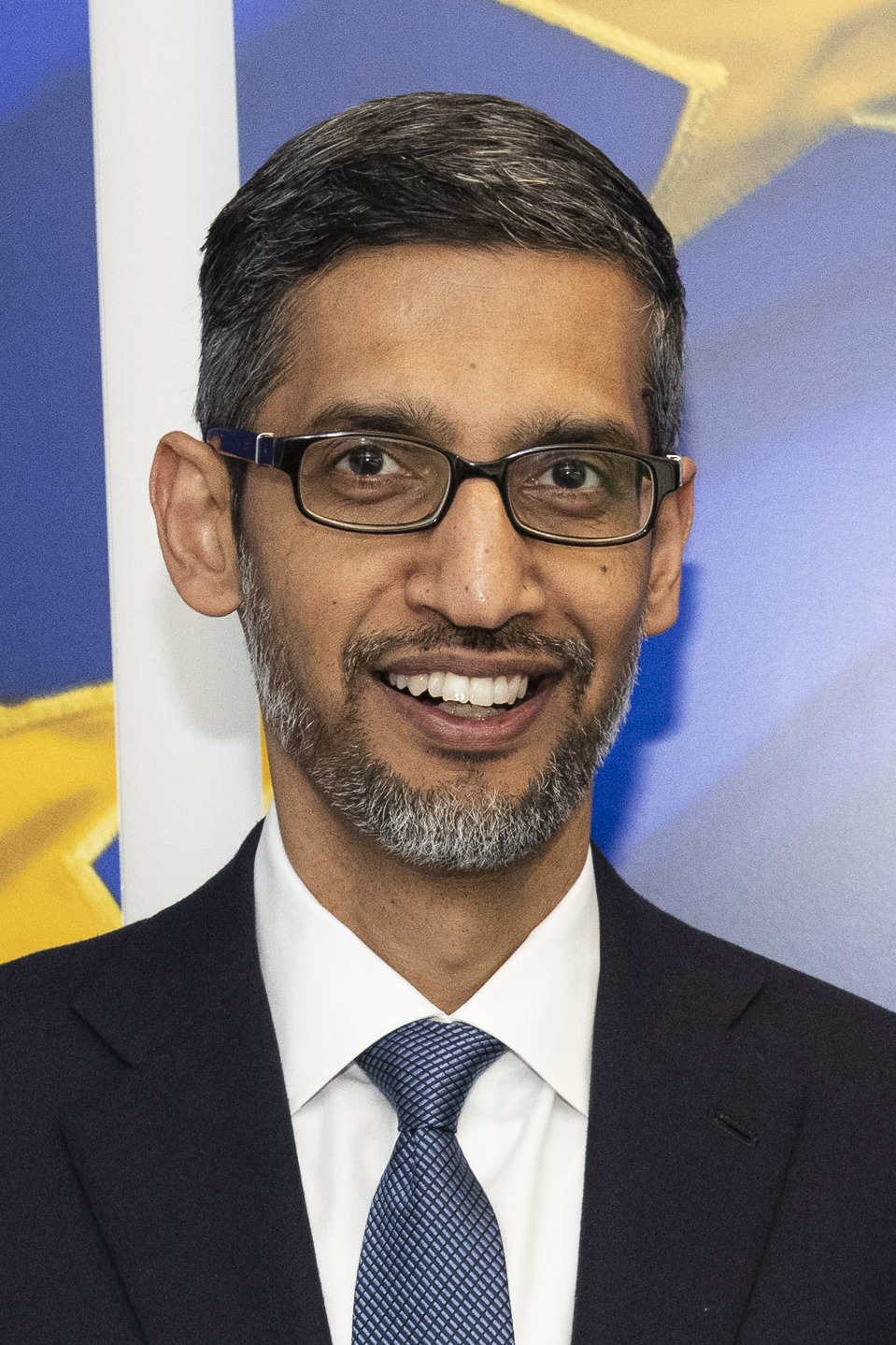

Sundar Pichai
CEO of Alphabet
He has advanced global technological innovation with an organizational approach centered on creativity, diversity, and data-driven decision-making.


Howard Schultz
Ex CEO of Starbucks
He turned Starbucks into a global company by fostering an organizational culture built on belonging, ethics, and an outstanding employee experience.
Learning Outcomes
- Apply critical thinking skills to lead teams, resolve conflicts, and make strategic decisions within an organization.
- Lead with an ethical and human approach, applying leadership models and social responsibility principles that promote sustainable workplace cultures.
- Use management, communication, and organizational analysis tools to improve business performance and productivity.
- Design and implement leadership and talent development strategies that foster innovation and institutional growth.
- Understand how economic, social, technological, and cultural factors influence organizations, and adapt to changing environments with a global perspective.
Degree Plan
General Education Courses
• Making Connections
• Composition I
• Composition II
• Oral Communication
• College Algebra
• Life Sciences Elective
• Life Sciences Lab Elective
• Physical Sciences Elective
• Physical Sciences Lab Elective
• Social Sciences Elective
• Principles of Macroeconomics
• History Elective
• Fine Arts Elective
• Humanities Elective
Business Core
• Introduction to Financial Accounting
• Introduction to Managerial Accounting
• Business Communication
• Microcomputer Applications
• Management Information Systems
• Operations Management
• Business Statistics
• Principles of Microeconomics
• Business Finance
• Legal Environment of Business
• Organizational Behavior
• Strategic Management
• Marketing
• Supply Chain Management
Major Courses
• Introduction to Psychology
• Social Psychology
• Intercultural Communication
• Organizational Communication
• Conflict Resolution
• Human Resource Management
• Organizational Behavior
• Labor Relations and Negotiations
• Social Impact Management
• Leadership
• Organizational Change and Development
• Compensation and Benefits
Elective Courses
• General Elective I
• General Elective II